

Computer Motherboard Repair Dundee
Computer completely dead? Random shutdowns? Components not being recognised? Motherboard problems are some of the trickiest repairs – but we’ve been fixing them for over 20 years at our Perth Road workshop. Full diagnostic, component-level repair, and we protect your data throughout.
 Google Reviews


You know that moment when you press the power button and absolutely nothing happens? No lights, no fan noise, just complete silence where your computer used to come humming to life. It’s one of the most frustrating tech-related problems you can face, especially when you’ve got important work saved on there or the usual deadlines looming.
When your laptop or PC has completely died, the culprit is often a failed motherboard. That’s not something every computer repair shop can deal with- it often requires microsoldering skills that many run-of-the-mill “parts swappers” simply don’t have- but this doesn’t always mean your device is beyond saving. At Repair Alliance, we specialise in computer motherboard repair in Dundee, helping students, professionals, and families get their essential devices back to life. Unlike many repair shops that automatically recommend replacement (because they don’t have the skill or experience to do otherwise), we provide honest diagnostics to determine whether motherboard repair is viable for your specific situation.
Our expert technicians understand the stress of a dead computer, especially when important files and work are at stake. We’ve seen every type of failure imaginable in our Perth Road workshop- from power circuit problems to liquid damage. And many machines that seem completely dead can actually be brought back to life.
Whether you’re a University of Dundee, Abertay University or Dundee and Angus College student facing assignment deadlines or a local business owner who can’t afford downtime, we’ll help you understand your options and make the right decision for your computer.
Many machines that seem completely dead can actually be brought back to life.
Signs Your Computer Motherboard Has Failed
Complete Power Failure (won’t turn on at all)
The most obvious sign of motherboard trouble is when your computer becomes completely unresponsive. You press the power button and get absolutely nothing- no LED lights, no fan spinning, no sounds whatsoever, zilch. This total lack of response often points to a power delivery problem on the motherboard.
Before assuming the worst though, check the basics first. Make sure your power cable is properly connected and try a different power outlet. If you’re using a laptop, the charger itself might have failed rather than the motherboard. But when you’ve ruled out these simple causes and your machine still won’t show any signs of life, you’re likely looking at a motherboard issue.

Intermittent Shutdowns and Boot Issues
Sometimes motherboard problems aren’t as dramatic as complete failure. Your computer might turn on but then randomly shut down during use, or it could get stuck in an endless restart loop. You might see the manufacturer logo appear briefly, then the screen goes black and the whole process starts again.
Another telltale sign is when your computer starts up but can’t get past the initial boot screen. You might see error messages about hardware detection failures or the system might just hang indefinitely on a loading screen.
Hardware Components Not Being Recognized
A failing motherboard often loses its ability to properly communicate with other hardware components. Your computer might turn on but fail to detect your hard drive, meaning you can’t access your files or operating system. Or perhaps your RAM isn’t being recognised, causing random crashes and blue screen errors.
These recognition failures happen because the motherboard acts like the nervous system of your computer- it connects everything together and manages communication between parts. When those pathways start breaking down, even perfectly good components can appear to have failed.
MacBook Motherboard (Logic Board) Repair Dundee
Common MacBook Logic Board Failures
MacBooks have their own unique set of motherboard problems, partly because Apple calls theirs a “logic board” and designs them quite differently from standard PC motherboards.
The most frequent issue we see is when your MacBook simply won’t turn on- no chime, no Apple logo, nothing. This often happens after the machine has been getting unusually hot. Another common problem is when your MacBook powers on but the screen stays black. You might hear the startup chime and see the keyboard backlight come on, but the display remains completely dark. This usually indicates a problem with the logic board’s display circuits rather than the screen itself.
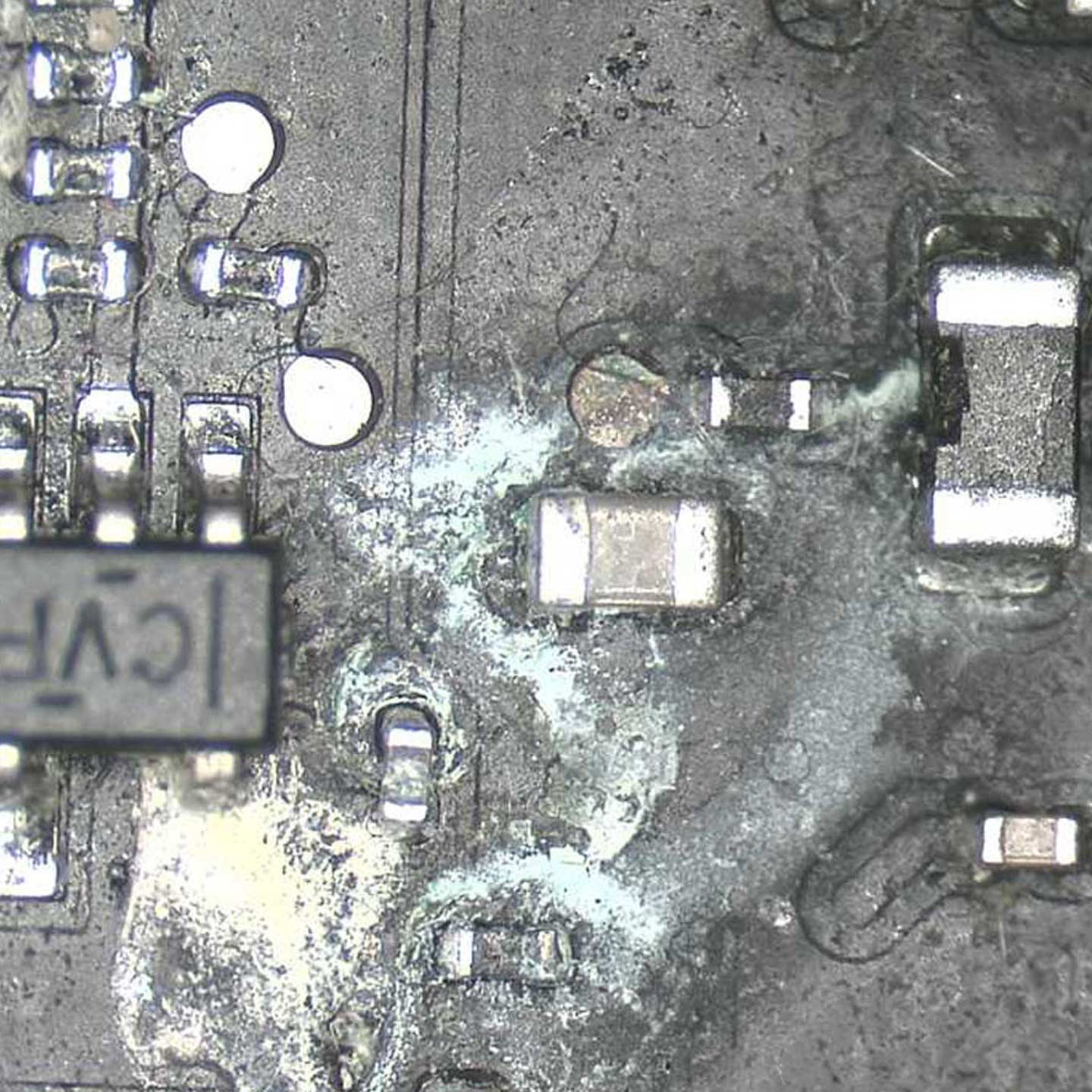
MacBook Liquid Damage Recovery Specialists
Liquid spills are probably the biggest killer of MacBook logic boards. Coffee, water, beer- we’ve seen it all, and liquid and electronics really don’t get on well. What makes MacBook liquid damage particularly tricky is that the liquid often spreads underneath components where you can’t see it, causing corrosion that develops over days or weeks.
The key with any liquid spill is acting fast. If you’ve spilled something on your MacBook, turn it off immediately and bring it to us as soon as possible. Don’t try to turn it back on to “test” if it still works- this can cause more damage by sending electricity through wet circuits.
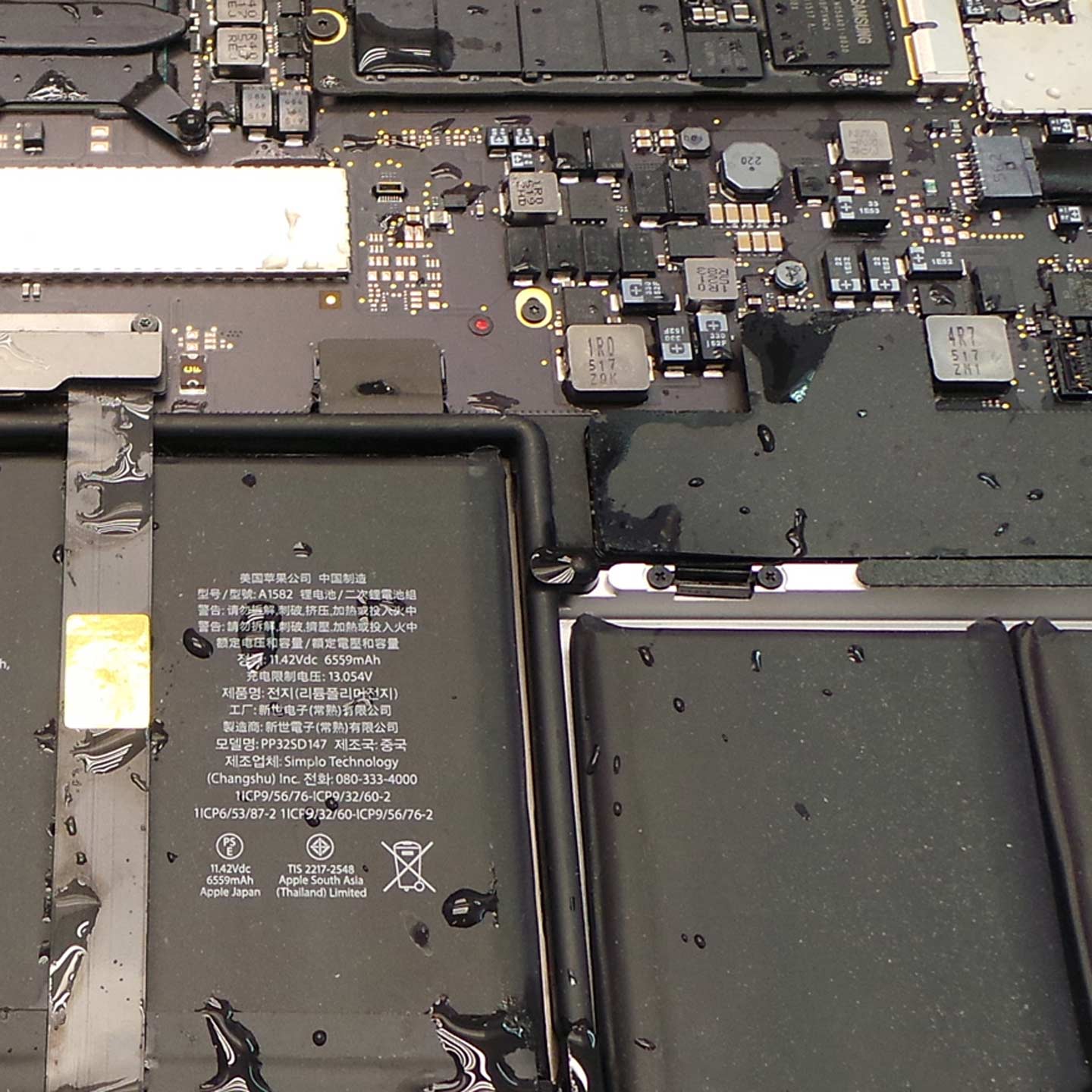
An Abertay student spilled a full cup of tea over her MacBook Pro the night before a deadline. Brought it in soaking wet. We stripped it down, cleaned every component with ultrasonic cleaning, replaced the damaged power circuit, and had it running again in 48 hours. All her files were intact.
MacBook vs PC Motherboard Repair Differences
Repairing MacBook logic boards requires a completely different approach compared to PC motherboards. Apple designs their logic boards to be incredibly compact, which means components are packed much more tightly together.
What makes MacBook repairs even more complex is Apple’s approach to component pairing. The Touch ID fingerprint reader, for example, is paired to the logic board during manufacturing, which means if you replace the logic board, the fingerprint scanner will stop working entirely. The display also has this pairing for True Tone functionality- replace the logic board and your screen will work fine, but the automatic colour temperature adjustment will be permanently disabled.
MacBooks also use proprietary connectors and components that aren’t standard across the industry. This means we need specialised tools and genuine Apple parts for many repairs, which is why not every computer repair shop can properly service MacBooks.
MacBook logic board gone? Dinnae panic. We’re specialists in MacBook motherboard repair. Gee’z a shout.
Call UsMotherboard Repair vs Replacement: Making the Right Choice
When Motherboard Repair Makes Financial Sense
If you’ve got a relatively new machine that’s still under three years old, motherboard repair is almost always worth considering. Gaming PCs and high-spec workstations are particularly good candidates for repair since these machines often have powerful graphics cards, fast processors, and plenty of RAM that would be expensive to replace.
The same logic applies to MacBooks, especially the Pro models. These machines hold their value well, and the logic board is often the only thing that’s actually failed. All your expensive components- the Retina display, the solid-state drive, the premium build quality- are still perfectly good.
Another factor to consider is your data situation. If you’ve got important files on your machine and no recent backup, repair might be your best shot at recovering everything.
Factors That Determine Repair Viability
Not every motherboard failure can be fixed, and honest diagnosis is key to making the right decision. Physical damage is usually the biggest limiting factor- if your laptop has been dropped and you can see actual cracks in the circuit board, or if there’s been severe liquid damage with visible corrosion, repair might not be possible.
The age and availability of replacement components also plays a role. Motherboards from machines that are more than five or six years old can be challenging to repair because the specific chips and components we need might no longer be available.
Liquid damage creates its own set of considerations. Fresh spills that are cleaned quickly often have excellent repair prospects. But liquid that’s been sitting for weeks or months can cause widespread corrosion that makes repair impractical.
Age and Value Considerations
The sweet spot for motherboard repair is typically machines between one and four years old. These computers are new enough that replacement parts are readily available and the overall value justifies the repair work, but old enough that they’re out of warranty and replacement would be expensive.
MacBooks complicate this calculation because they tend to hold their value longer than PC laptops. A four-year-old MacBook Pro might still be worth £800 to £1000, making motherboard repair a sensible investment even when the machine is getting on a bit.
If you’ve got important files on your machine and no recent backup, repair might be your best shot at recovering everything.
Our Motherboard Repair Process in Dundee
Professional Diagnostic Assessment
When you bring a dead computer to our Perth Road workshop, the first thing we do is a thorough diagnostic assessment. We use professional diagnostic equipment to systematically test different parts of the motherboard and identify exactly what’s failed. Many shops skip this step and just guess at the problem, but proper diagnosis is what separates successful repairs from expensive failures.
We start by checking the power delivery systems, since these are often the first components to fail. Using specialist meters, we can measure whether the motherboard is receiving the correct voltages and whether those voltages are being distributed properly to different components.
For liquid damage cases, we do a detailed visual inspection under magnification to identify areas of corrosion or component damage. The diagnostic process typically takes a few hours, but by the end of it, we know exactly what’s wrong, whether it can be fixed, and what the repair will involve.
Component-Level Repair Techniques
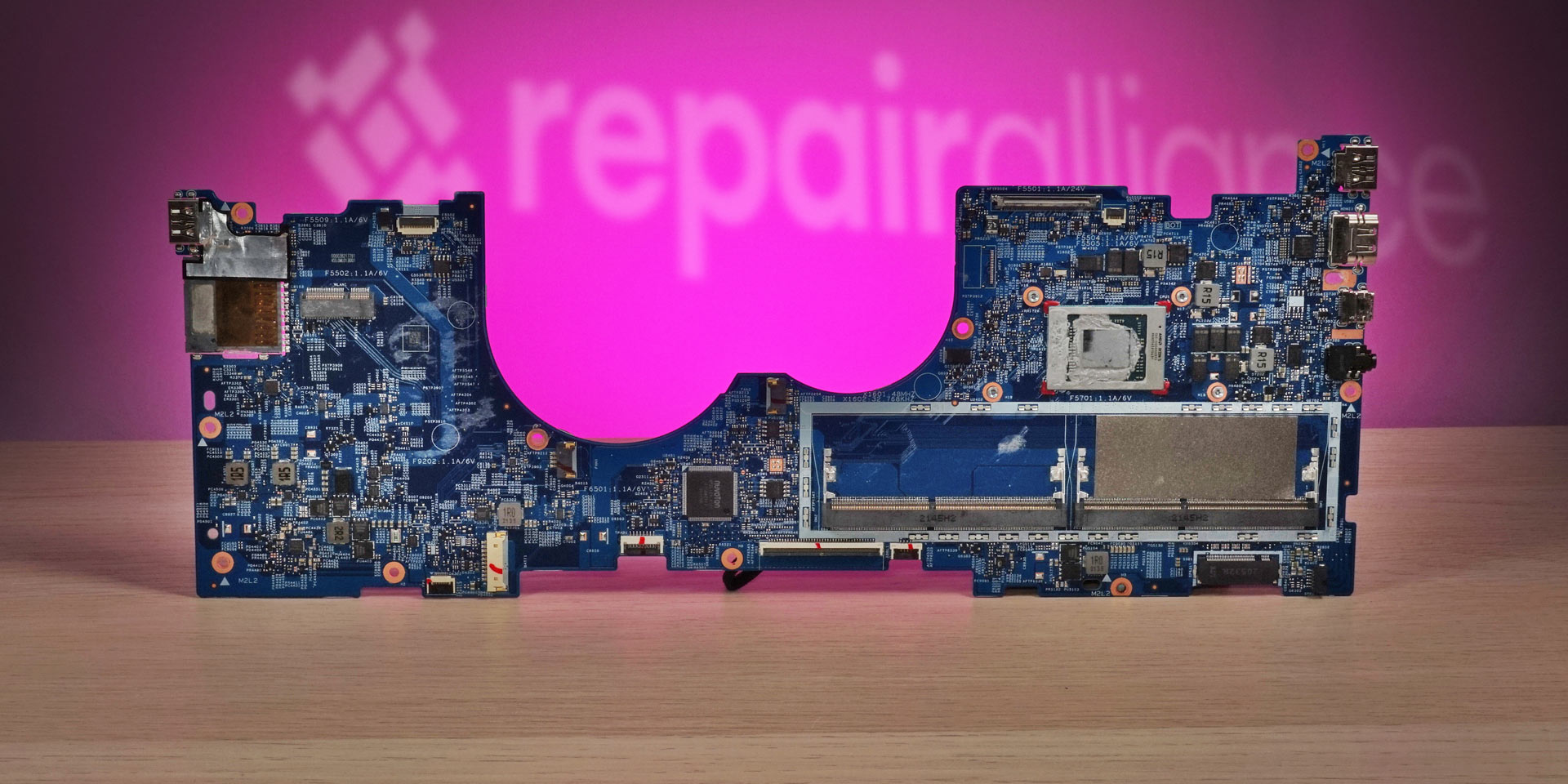
Once we’ve identified the problem, the actual repair work begins. Motherboard repair is precision work that requires specialised equipment and years of experience. We’re often working with tiny surface-mount chips that are smaller than your fingernail and require microscopic soldering techniques.
Our workshop is equipped with professional rework stations that can heat components to exact temperatures while protecting surrounding circuits. For liquid damage repairs, we use specialised cleaning solvents and gentle brush techniques to remove corrosion from circuit boards.
MacBook logic board repairs require even more specialised techniques because of the incredibly compact design. We use hot air rework stations with precise temperature control and microscopes for the detailed work.
Quality Testing and Warranty Coverage
Finishing the repair work is only half the job- thorough testing is what guarantees a reliable fix. We put every repaired motherboard through extensive testing to make sure it’s genuinely stable and won’t fail again shortly after you get it back.
For standard PC motherboards, we run memory tests, processor stress tests, and thermal cycling to simulate months of normal use in a few hours. MacBook testing requires additional checks because of the integrated design, including testing the charging system and verifying that sleep and wake functions are working properly.
Every motherboard repair comes with our warranty coverage, because we stand behind our work.

Motherboard playing up? Drap it in for a full diagnostic. We’ll tell you exactly what’s wrong before you spend a penny.
Call UsCommon Motherboard Problems We Fix
Liquid Damage Recovery
Liquid spills are one of the most heartbreaking ways to lose a computer, especially when it happens suddenly and you haven’t backed up your work recently. The good news is that liquid damage doesn’t always mean game over- if you act quickly and get the right help, many machines can be saved.
The key with any liquid spill is speed. Turn off your computer immediately- don’t try to save your work or shut down properly, just hold the power button until it switches off. Remove the battery if you can access it easily, then bring the machine to us as quickly as possible.
The type of liquid makes a huge difference to the recovery prospects. Pure water is actually not too bad if it’s cleaned up quickly- it’s the dissolved minerals and contaminants that cause the real problems. Sugary drinks are particularly nasty because they leave sticky residues, while acidic liquids can actively attack the metal traces on the circuit board.
Power Circuit Failures
Power-related failures are probably the most common motherboard problems we see, and they often present as completely dead computers that won’t respond at all when you press the power button. Modern motherboards have incredibly complex power delivery systems that convert electricity into dozens of different voltages needed by various components.
The most frequent culprits are the voltage regulator modules (VRMs) that supply power to the processor. These components work extremely hard and generate a lot of heat, making them prone to failure over time. Power surge damage is another common cause, especially during storms or when there are problems with the electrical supply.
Gaming PC and High-Performance System Repairs
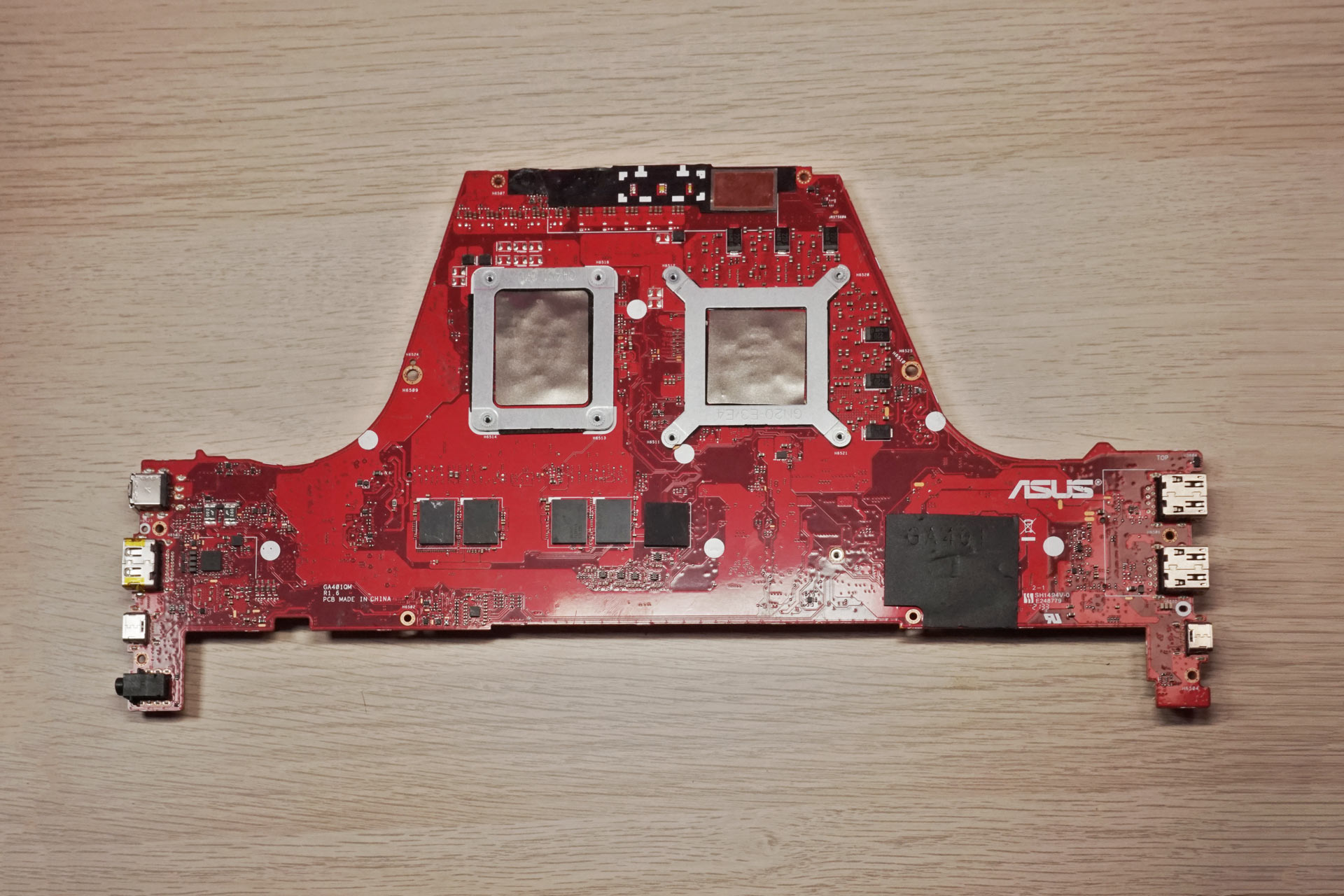
Gaming PCs and high-performance workstations present their own unique set of motherboard challenges. These machines often push their components harder than typical office computers, generating more heat and stress on the motherboard’s power delivery systems.
Graphics card compatibility issues can also cause motherboard problems in gaming systems. When a powerful graphics card starts drawing more power than the motherboard’s PCIe slot can safely provide, it can damage the slot’s power delivery circuits. The good news for gaming enthusiasts is that these high-performance motherboards are usually worth repairing. A quality gaming motherboard can be expensive to replace, and fixing the original board means you keep your setup exactly as it was, with all your overclocking profiles and customisations intact.
Protecting Your Data During Motherboard Repair
Data Recovery Options
When your motherboard fails, one of the biggest worries is whether your files and documents are safe. The good news is that motherboard failure rarely affects your actual data- your files are stored on the hard drive or SSD, which is a separate component that usually survives motherboard problems just fine.
If your computer is completely dead due to motherboard failure, we can often connect your storage drive to another computer to access your files. Modern laptops, especially MacBooks, can be more complicated because the storage is often soldered directly to the motherboard or uses proprietary connectors.
Encrypted drives add another layer of complexity to data recovery. If your drive is encrypted with BitLocker, FileVault, or similar systems, we need either your encryption key or the computer to boot properly to access the files.
Prevention Strategies for Future Issues
While we can fix most motherboard problems, preventing them in the first place is obviously better for everyone involved. The biggest killer of motherboards is heat, so keeping your computer properly ventilated is absolutely critical. Make sure air vents aren’t blocked by dust or debris.
Liquid spills are the other major cause of motherboard failure, and they’re completely preventable with a bit of care. Keep drinks away from your workspace, or at least use cups with lids that reduce the chance of accidental spills.
Power protection is another area where a small investment can save you from expensive repairs later. A good quality surge protector can protect your motherboard from power surges, brownouts, and other electrical problems.
MacBook Data Recovery Considerations
MacBooks present unique challenges when it comes to data protection during motherboard repairs. Modern MacBooks with T2 security chips or Apple Silicon processors have additional encryption that’s tied specifically to the logic board.
The good news is that successful MacBook logic board repair usually restores everything exactly as it was before the failure. Your files, applications, settings, and even saved passwords typically survive the repair process intact.
For MacBook users, we particularly recommend using Time Machine or iCloud backup to protect your data. Having a current backup means that even in the worst-case scenario, you’re only out the hardware rather than years of work and personal files.